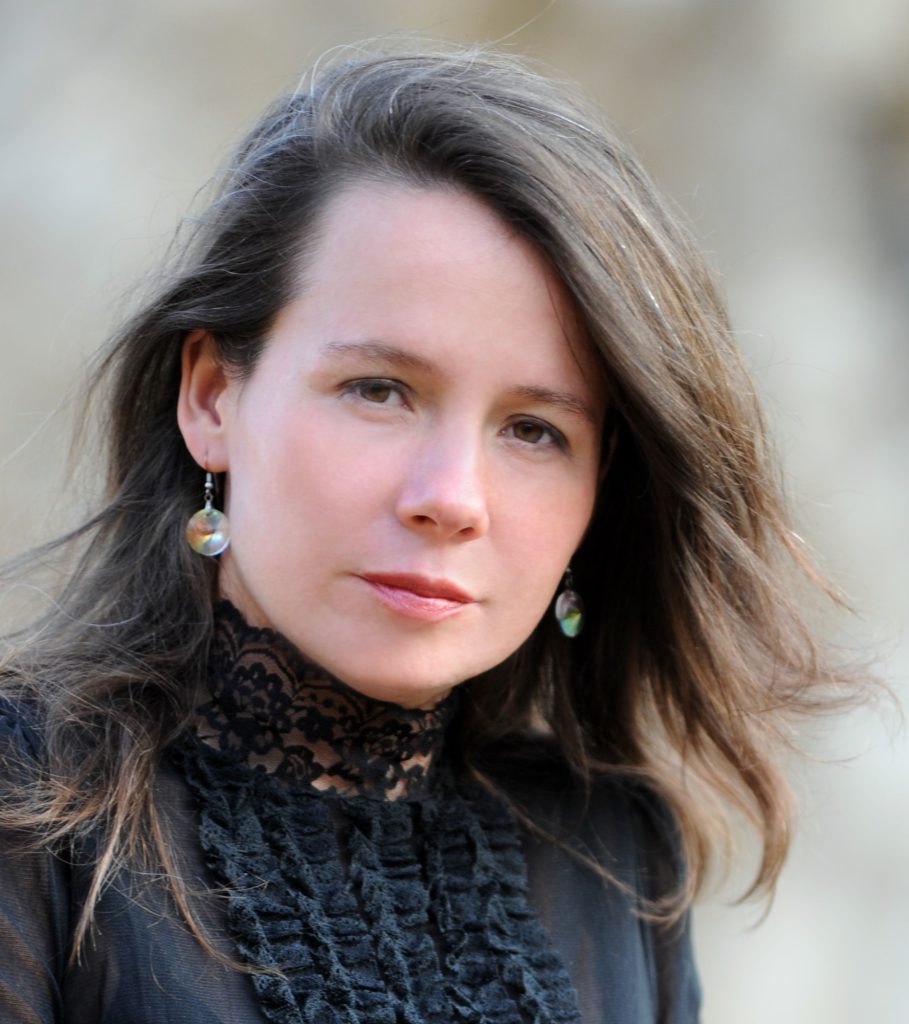
Veronika Czapáry is a writer, poet, literary critic, literary organizer and glass artist, and since 2006, in addition to all this, she has also cared for cats, dreamed up and created the Cat House. In the life of a cat rescuer, it is usually difficult to determine where the point was when an animal lover was born an animal rescuer, but the idea of the Czapáry Macskaház Foundation dates back to the summer of 2014, when an ordinary black cat appeared in the garden.
Kormi was in poor condition, and during a visit to the veterinary clinic, the FeLV test was positive. At that time, it was still common to euthanize cats with a positive test, so the veterinarian also advised this, but why would we kill an animal just because it has a virus in its blood that produces no or hardly any symptoms?
Kormi’s life was saved by the fact that he wandered into the right garden and his adopter refused to give him up, and his arrival was followed by another 10-15 kittens with leukosis. The fact that these kittens could live freely with their negative test-vaccinated companions was unprecedented ten years ago; under the Facebook posts, the comment section glowed with the sometimes rude reactions of users concerned about cats.
At the time, little information was available about the infectivity of FIV and FeLV and the outlook for sick cats, and most people treated these diseases as being contagious. Those cats that were not euthanized after the positive test were kept in isolation, mostly in cages, and the stress caused by confinement soon led to a deterioration in their health, giving free rein to the dormant virus in their bodies. The opinion quickly developed that cats with FIV and FeLV die within a short time.
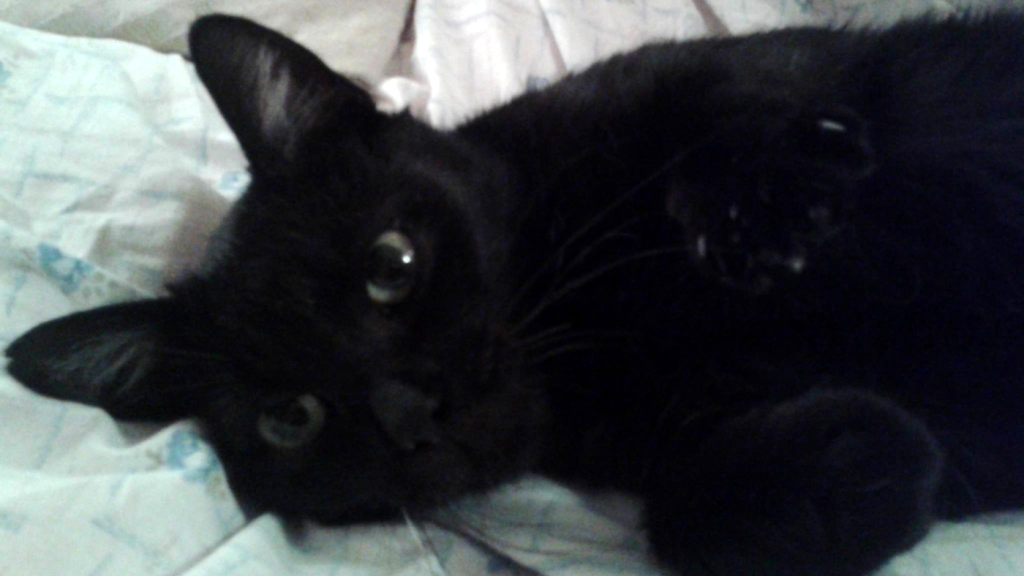
Read the story of Kormi, our first cat with FeLV!
Czapáry Cat Sanctuary went against the standards accepted in Hungary, and over the years we have found that healthy, vaccinated kittens do not catch the virus, and cats with FIV and FeLV can live a similar life to their healthy counterparts, because their condition can be maintained at the same level, only for love and they need some extra care.
Today, fortunately, this view is spreading more and more, and more and more people save or choose a positive cat as a new family member, which makes us endlessly happy. We continue to campaign for keeping positive and negative cats together, and we try to make available as many studies and articles as possible, so that owners and organizations have up-to-date information about FIV, FeLV and other feline diseases, as well as their treatment.